
 Wheat
Wheat
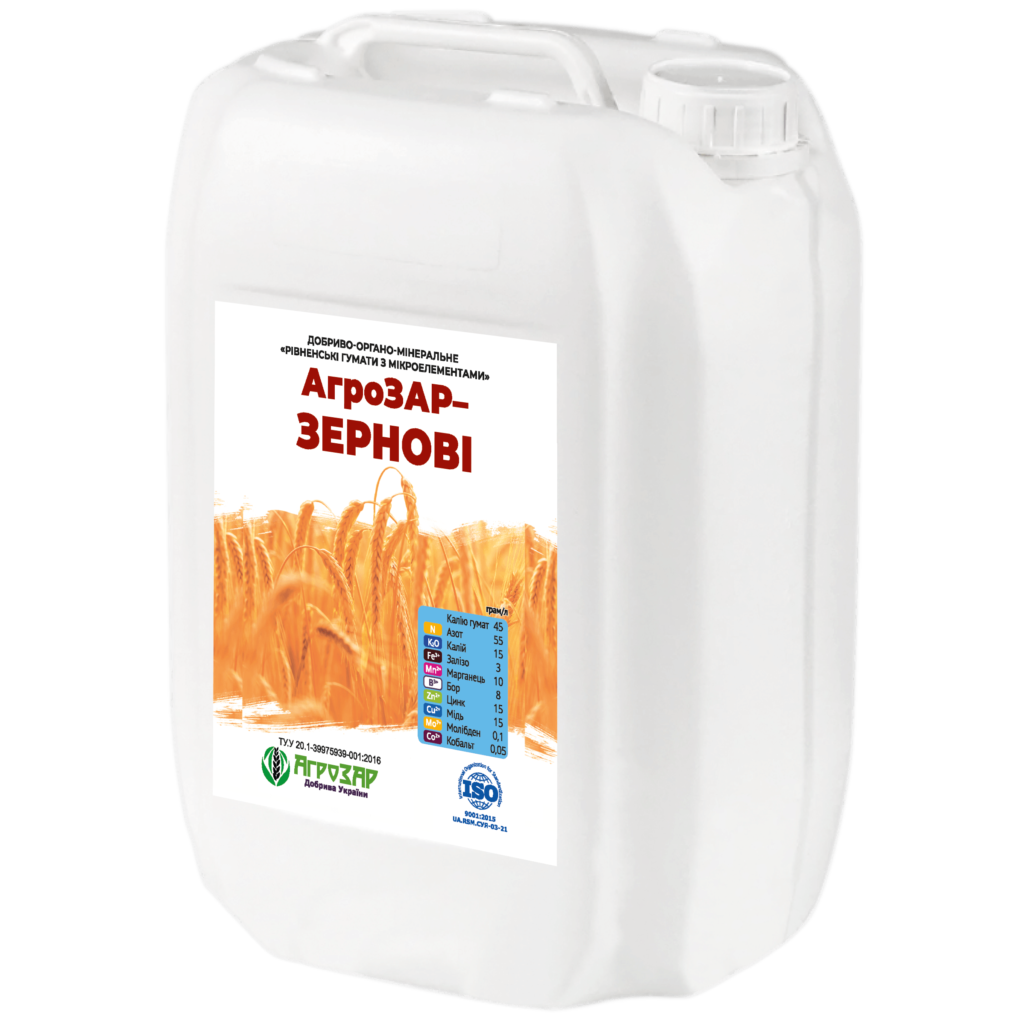
The most important trace elements for wheat and cereals are the following:
MANGANESE. Affects the processes of photosynthesis, respiration, synthesis of proteins, carbohydrates and nitrogen metabolism, is part of the enzyme systems that regulate metabolic redox processes in plants. Regulates the formation of growth hormones and the absorption of iron, which affects the formation of chlorophyll. Improves the use of both nitrate and ammonium nitrogen by plants.
COPPER. It is a part of enzymes, activates carbohydrate and protein metabolism. Positively affects photosynthesis and protein synthesis. Plays an important role in the formation of generative organs. Affects the development and structure of plant cells, increases resistance to fungal and bacterial diseases, lodging, drought and heat resistance, winter hardiness of plants. Promotes better absorption of nitrogen.
BORON. Performs an important function in the synthesis of carbohydrates, their transformation and transfer, as well as in redox processes, protein and nucleic metabolism, synthesis of growth stimulants, determines the activity of enzymes, osmotic processes, the accumulation of vitamins in plants. Promotes chlorophyll synthesis and carbon dioxide assimilation. Affects the formation of flowers, pollination, the development of growth points, the growth and development of the root system, especially young roots, seed formation. Increases drought and salt resistance
ZINC. Participates in many physiological processes occurring in the plant, including photosynthesis, synthesis of amino acids, chlorophyll, organic acids, vitamins, etc., in redox processes, metabolism of carbohydrates, lipids, phosphorus, sulfur. Promotes the accumulation of the phytohormone auxin; necessary for the growth of internodes. In ionic form, it affects the viscosity of the cytoplasm. Due to the stabilization of respiration with changing temperature conditions increases heat, drought and frost resistance of plants, protein content, resistance to disease.
MOLYBDENE. Participates in the synthesis of amino acids and proteins, regulates the process of nitrogen transformation in plants, activates redox processes in plants, participates in carbohydrate metabolism and metabolism of phosphorus compounds, synthesis of vitamins and chlorophyll. Promotes the absorption of nitrogen and phosphorus, improves plant nutrition with calcium, iron absorption. Increases the protein content in products.
IRON. Plays an important role in redox reactions as a component of enzymes, provides the synthesis of chlorophyll (without iron chlorophyll is not synthesized). Iron deficiency leads to a decrease in the intensity of photosynthesis, chlorosis appears on young plants. It is of great importance for the passage of respiratory processes. It has fungicidal properties.
COBALT. Activates the work of many enzymes, promotes normal metabolism in plants, increases the content of chlorophyll and protein, increases the intensity of respiration. Participates actively in redox reactions, stimulates the biosynthesis of nucleic acids.
Microfertilizer for foliar feeding of winter and spring wheat, rye, barley, oats, millet, triticale, cereal lawns. It has a high content of zinc, which stimulates the synthesis of chlorophyll, as well as copper, which activates redox processes and increases resistance to disease.
| Potassium humate | Nitrogen | (К2О) | (Fe) | (Mn) | (В) | (Zn) | (Cu) | (Мо) | (Со) |
| 45 | 55 | 15 | 3 | 10 | 8 | 15 | 15 | 0,1 | 0,05 |
g per liter*
Before application, dilute with water at the rate of (100-300) liters per 1 liter of fertilizer.
COMPATIBILITY WITH OTHER DRUGS should be checked before use. The fertilizer may be incompatible with drugs that form an acidic environment in solutions.
STORE indoors, out of reach of children, in the manufacturer’s container at a temperature of 0 C to + 35 C.
WARNING: do not apply for fertilization two weeks before harvest.
| Culture | Application periods | Consumption rate per application, l / ha |
| Winter and spring wheat, winter and spring barley, oats, rye, millet, triticale, lawn grasses | From the beginning to the end of tillering. | 1,0 – 1,5 |
| At the exit of the main shoot into the tube. | ||
| When recruiting wax ripeness. |

